Have you ever felt like there is more going on in this world than what you can see with your eyes? The Bible tells us that we are in a spiritual battle. It is a fight between good and evil, between God’s truth and the enemy’s lies. Many people feel helpless when they see bad things happen. But you are not helpless. God has given you a powerful way to seek His help and fight back through prayer.
First, it is important to understand something right away. The exact phrase “prayer warrior” is not found in the Bible. It is a term that Christians use today to describe believers who are especially committed to persistent, faith-filled prayer. The concept is rooted in Scripture, even though the specific title is not. This guide will help you understand what this term means, why this role matters, how you can grow in it, and who in the Bible showed us how to pray with great faith.
Prayer Warrior Meaning and Biblical Foundation
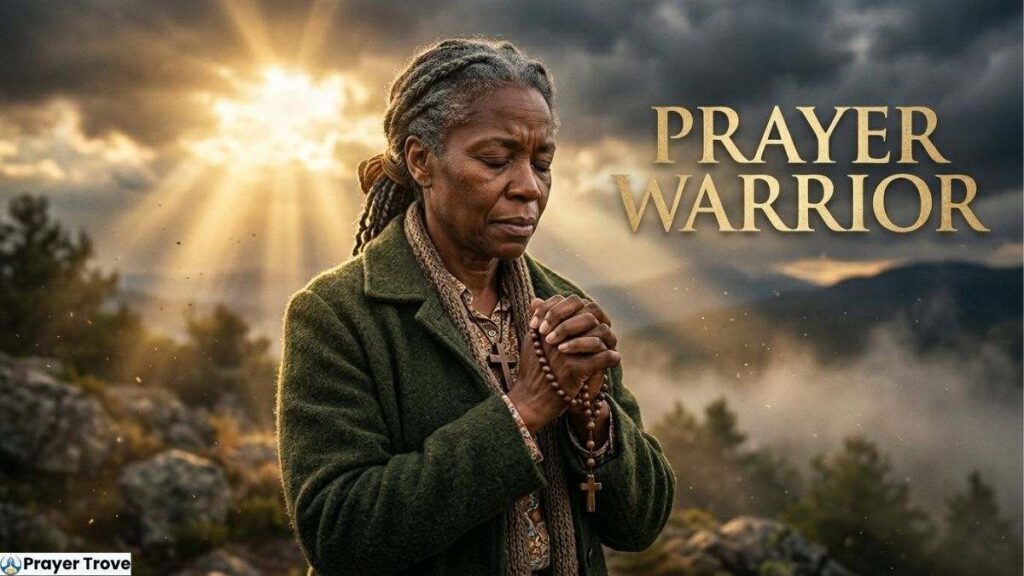
A prayer warrior is a believer who commits to praying with focus, faith, and persistence. This is not just someone who says a quick prayer before meals. A prayer warrior actively engages in intercession. They stand in the gap for others and bring their needs before God.
The Bible gives us a strong foundation for this calling. Ephesians 6:12 says, “For our struggle is not against flesh and blood, but against the rulers, against the authorities, against the powers of this dark world.” This verse shows us that the real battle is spiritual. The problems we face—like sickness, conflict, and temptation—can have a spiritual dimension. Prayer is how we depend on God and invite His power into these situations.
Scripture is filled with commands and promises about prayer. In 1 Thessalonians 5:17, we are told to “pray continually.” This means having an ongoing attitude of dependence on God. Philippians 4:6 encourages us not to be anxious but to present our requests to God through prayer and petition. James 5:16 reminds us that “the prayer of a righteous person is powerful and effective.”
A prayer warrior believes these truths. They do not see prayer as a last resort. They see it as the first and most important step in every situation. They trust that God hears them and that their prayers make a real difference in the world.
The Role of a Prayer Warrior
The primary role of a prayer warrior is intercession. Intercession means praying on behalf of other people. It is like being a bridge between God and someone who needs help. Prayer warriors bring the needs of their family, friends, church, and even the world before the throne of God.
This role is strategic. Prayer warriors understand that they are not just speaking words into the air. They are engaging in a real spiritual conflict. When you pray, you are participating in God’s work and seeking His intervention in a situation. This is not a passive activity. It is active and powerful because it relies on God’s strength, not our own.
Love is the driving force behind this role. Prayer warriors pray because they genuinely care about others. They love God, and they love people. That love keeps them going even when they do not see immediate results. They do not give up.
Another important part of this role is worship. Prayer warriors keep their focus on God. They praise Him for who He is. They thank Him for what He has done. This worship keeps their hearts humble and reminds them that God is in control. They do not pray to show off or to sound spiritual. They pray because they know they need God, and others need Him too.
Becoming a Prayer Warrior
Becoming a prayer warrior does not require a special title or a degree. Anyone who is willing to grow in their prayer life can become one. It is a journey of faith and practice.
First, you need to understand the war you are in. Whether you like it or not, you are caught up in the spiritual battle. If you stay passive, you are more vulnerable to attack. So choose to be active. Engage in the fight with confidence. God’s power is greater than any evil you face.
Second, know your commander. Your leader is Jesus Christ. He has already won the victory over sin and death. He is the one who gives you authority to pray. He lives in you through the Holy Spirit. When you pray in His name, you are praying with His power. Study Jesus’ life and prayers. He is the perfect example of how to pray.
Third, recognize your real enemy. Your enemy is not the person who hurt you. Your enemy is Satan and his evil forces. He tries to deceive you and lead you away from God. He attacks you through temptation and lies. When you sin, it can make you more vulnerable to his influence. So resist temptation and ask God for help.
Fourth, put on the armor of God every day. Ephesians 6 gives us a list of protective gear. This includes the belt of truth, the breastplate of righteousness, the shield of faith, and the sword of the Spirit, which is the Word of God. Read your Bible. Trust God’s promises. And use Scripture to fight against lies.
Finally, develop consistency. Daniel prayed three times a day. Jesus often rose early to pray. Set a time for prayer each day. It does not have to be long at first. Start small, but be faithful. As you grow, your prayer time will deepen. Also, learn to listen to the Holy Spirit. He will guide you and tell you what to pray for.
Examples of 5 Prayer Warriors in the Bible

The Bible gives us many examples of people who prayed with great faith. Their stories encourage us and show us how to pray.
Jesus is the greatest example of a prayerful life. He prayed regularly, often spending long hours alone with the Father. In the Garden of Gethsemane, He prayed so intensely that His sweat was like drops of blood. Yet He surrendered to God’s will, saying, “Not my will, but yours be done.” Jesus teaches us that prayer is about surrender and trust.
Nehemiah was a man who combined prayer with action. When he heard that Jerusalem’s walls were broken down, he prayed and fasted. Then he took bold steps to rebuild them. He assessed the situation and organized the people. Nehemiah shows us that prayer leads to action. We do not just pray and wait. We pray and work.
Paul was a powerful intercessor. His letters are full of prayers for the churches he started. He prayed for their spiritual growth, their unity, and their strength. He never stopped caring for them. Paul teaches us to pray for others with deep love and consistency.
Job suffered terrible losses. He lost his children, his wealth, and his health. Yet he did not curse God. Instead, he prayed honestly about his pain. He asked hard questions. Job teaches us that we can bring our raw emotions to God. He can handle our grief and our anger.
David was called a man after God’s own heart. The book of Psalms is filled with his prayers. He poured out his fears, his joys, his thanks, and his cries for help. David shows us that prayer is a real conversation with God about everything in our lives.
God also raised up many women who were mighty in prayer. They are powerful examples of faith, courage, and persistence.
Anna was a prophetess who spent her life in the temple. Luke 2:36–37 tells us that she never left the temple but worshiped God with fasting and prayer night and day. She had been a widow for many years, and she served God faithfully. When she finally saw the baby Jesus, she recognized Him as the Messiah and gave thanks to God. Anna teaches us the power of patient and persistent prayer. She waited for God’s promise, and she never gave up.
Deborah was a judge, a prophetess, and a military leader. She encouraged the army to fight against their enemies. Her song of praise in Judges 5 gives thanks to God for victory. Deborah shows us that faithful believers can be bold leaders. They are not afraid to step up and fight for what is right.
Esther was a queen who faced a life-or-death situation. Her people were about to be destroyed. Esther called for a fast. She said, “Go, gather together all the Jews who are in Susa, and fast for me. Do not eat or drink for three days, night or day” (Esther 4:16). Then she approached the king at great personal risk. Her famous words, “If I perish, I perish,” show her complete trust in God. Esther reminds us that prayer and fasting give us courage to do hard things.
Hannah was a woman who was deeply distressed because she could not have children. She poured out her soul to God in the temple, praying with great emotion. God answered her prayer and gave her a son named Samuel. Hannah’s song of praise is one of the most beautiful prayers in the Bible. She teaches us to bring our deepest longings to God and trust Him with the results.
These men and women show us that God calls all believers to be faithful in prayer. Your gender, your background, or your status does not limit your ability to pray with power and make a difference.
Conclusion
Being a prayer warrior is a high calling, but it is for everyone. You do not need to be perfect. You just need to be willing. The world needs people who will stand in the gap. Your family needs you. Your church needs you. Start today. Open your Bible, put on the armor of God, and pray like it matters, because it truly does.
FAQs
Does the Bible use the term “prayer warrior”?
No, the exact phrase is not found in Scripture. It is a term Christians use to describe someone who is especially committed to persistent, faith-filled prayer and intercession.
What does the Bible say about spiritual warfare and prayer?
The Bible teaches that we are in a spiritual battle (Ephesians 6:10–18) and that prayer is a key way we engage in that battle. James 5:16 also tells us that prayer is powerful and effective.
Can anyone be a prayer warrior?
Yes. Any believer who is willing to commit to persistent, faith-filled prayer can grow into this role. The Holy Spirit helps us pray.
What is the difference between regular prayer and the prayer of a prayer warrior?
It is not a different kind of prayer. It is simply a way to describe believers who are especially intentional, persistent, and focused on intercession and spiritual warfare.
How often should a prayer warrior pray?
The Bible encourages us to “pray continually.” Many prayer warriors have set times each day for dedicated prayer, but they also maintain an attitude of prayer throughout the day.