Have you ever caught the smell of jasmine in the evening air and wondered why it feels so peaceful? Or maybe you carry the name Jasmine and want to know if it holds any meaning in the Bible. This article answers that question in a simple, clear way. You will learn where the name comes from, what it means, and how it connects to Bible verses about beauty, purity, and fragrance.
What Does Jasmine Mean in the Bible?
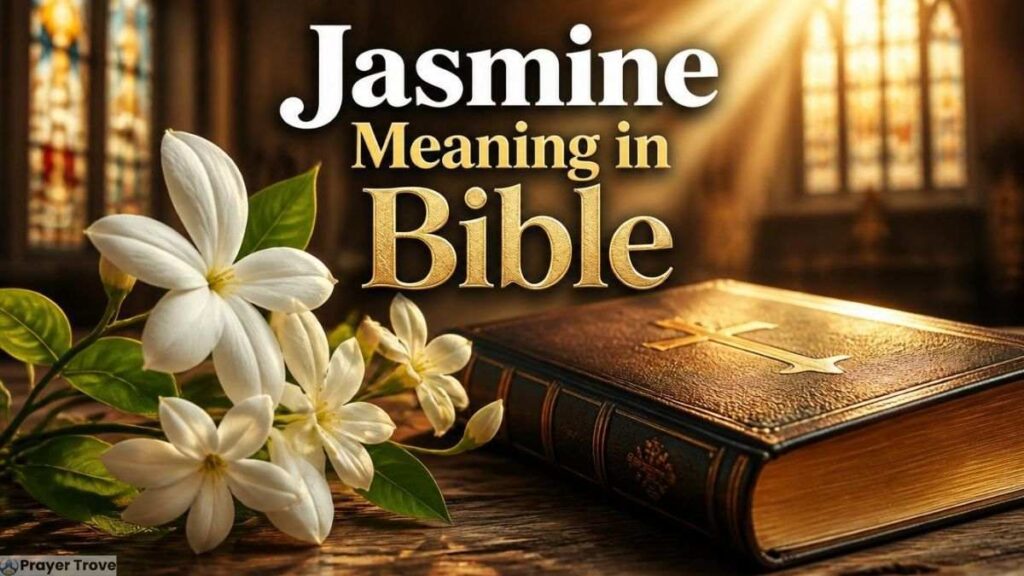
Jasmine is not a word you will find printed in the Bible. But its meaning still connects to biblical ideas in a real way. The name Jasmine comes from an old word that means “gift from God.” It also points to a small white flower known for its sweet smell. In the Bible, sweet smells often stand for prayer, worship, and God’s presence. So while jasmine is not a Bible word, its meaning fits right in with Bible themes like grace, gift, and fragrance.
Is Jasmine Mentioned in the Bible?
No, Jasmine is not mentioned by name in the Bible. The Bible was written in Hebrew, Aramaic, and Greek, and jasmine comes from a different language. This does not make the name any less special. Many flowers we love today are not named in Scripture, yet they still carry meaning that lines up with Bible truths. Jasmine is one of those flowers.
Origin and Meaning of the Name Jasmine
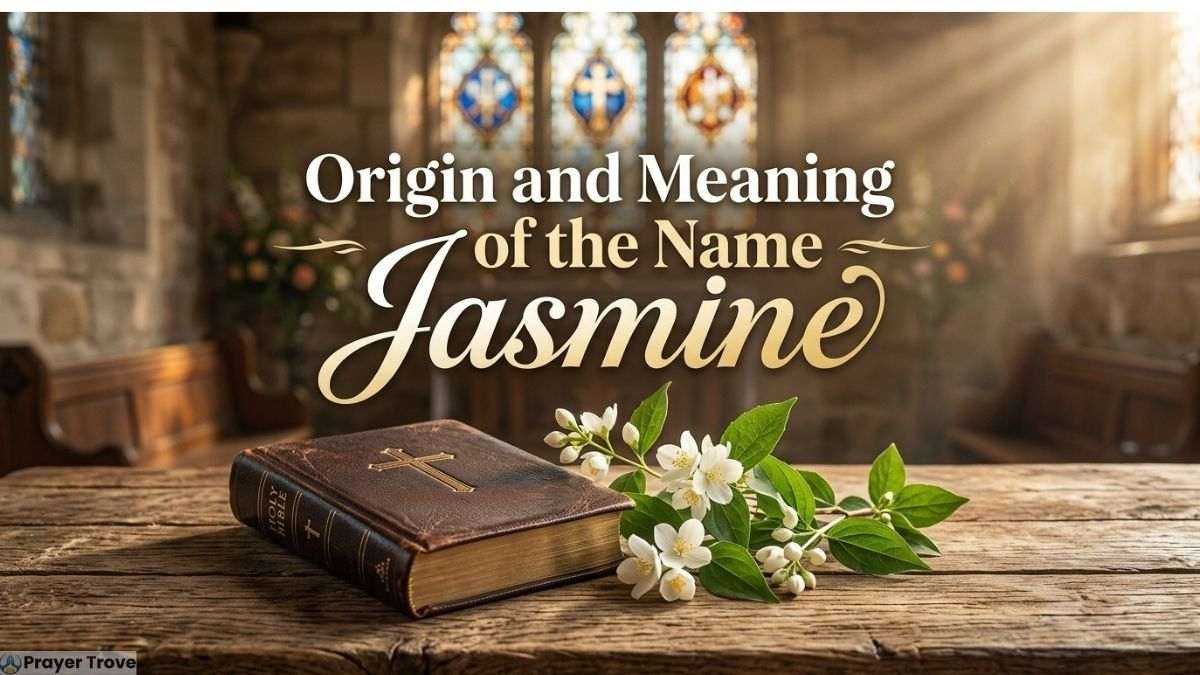
The name Jasmine has a clear and beautiful root. It did not start as an English word. It came from a much older language, and its meaning has stayed sweet through time.
Persian Origin of Jasmine
Jasmine comes from the Persian word yasmin. This word means “gift from God” or “fragrant flower.” Persian is an ancient language, and yasmin was used long before English even existed. Over time, the word moved from Persian into Arabic, then into French, and finally into English as “Jasmine.” The meaning never changed. It has always meant a gift, wrapped in sweetness.
Does Jasmine Have a Hebrew Meaning?
Jasmine does not have its own word in Hebrew. The Bible’s original language does not include this name. However, Hebrew does have a word close in spirit: reyach, which means fragrance or sweet smell. This word is used often in the Old Testament to describe offerings and worship. While jasmine and reyach are not the same word, they share the same idea: something sweet that reaches upward.
Christian Perspective on the Name Jasmine
Many Christian parents choose the name Jasmine for reasons that match their faith. Here is why:
- It means “gift from God,” which matches the belief that every child is a blessing.
- Its link to fragrance connects to Bible verses about pleasing offerings.
- It is not tied to any harmful or negative meaning in history.
- Many name experts see it as a name of purity and grace.
- It fits well next to other flower-based names, such as Lily or Rose.
Biblical Symbolism of Jasmine
Even though jasmine is not named in Scripture, its qualities point to ideas the Bible teaches again and again. A closer look shows five clear symbols.
Purity and Holiness
Jasmine flowers are almost always white. In the Bible, white often stands for purity and holiness. Clean, white robes are used to picture a pure heart. Jasmine’s white bloom fits this same picture. It reminds us of a life kept clean and set apart for good.
Beauty in God’s Creation
Jasmine is a small flower, but its beauty is easy to notice. The Bible teaches that God cares about beauty in the world He made. Even tiny things, like a flower, show His care and design. Jasmine’s delicate shape and bright color reflect the beauty God placed in creation.
Love and Faithfulness
Jasmine has long been linked to love because of its sweet, lasting scent. In the Bible, love is shown as something steady and true, not something that fades. Jasmine’s scent, which lingers even after the flower is gone, pictures a love that stays strong over time.
Spiritual Fragrance
The Bible often uses smell to describe worship and prayer. Offerings that pleased God were called a “pleasing aroma.” Jasmine, known for its strong and lovely scent, mirrors this idea well. It reminds us that a life of faith can rise up like a sweet offering.
Hope and New Life
Jasmine often blooms at night or in the early hours before dawn. This timing has made it a symbol of hope and new beginnings. In the Bible, morning is often linked to fresh mercy and new starts. Jasmine’s blooming time connects naturally to this hopeful idea.
Bible Verses Associated With Jasmine’s Symbolism

While no verse names jasmine directly, several Bible passages match its meaning closely. These verses help explain why Jasmine feels so connected to faith.
Song of Solomon and Floral Beauty
The Song of Solomon uses flowers often to picture beauty and love. One well-known line calls a lover “a rose of Sharon” and “a lily of the valleys.” This shows how flowers were used in the Bible to describe something precious and lovely. Jasmine fits naturally into this same kind of picture, even without being named.
Matthew 6:28–29
This Matthew passage tells people not to worry, and points to the flowers of the field as an example. It says even Solomon, in all his riches, was not dressed as beautifully as these flowers. This verse teaches that God cares for small, simple things, and that true beauty often comes without effort. Jasmine, a quiet and simple flower, reflects this same lesson.
2 Corinthians 2:15–16
This verse describes believers as “the pleasing aroma of Christ.” It links a good and faithful life to a sweet smell that reaches others. Jasmine’s strong, pleasant scent connects well with this idea. A life of faith, like jasmine, can leave a good impression on everyone nearby.
Psalm 104:24
This verse praises God for the many things He made, calling His works “manifold” and full of wisdom. It celebrates the wide range of creation, from the biggest mountain to the smallest flower. Jasmine, though small, fits into this praise of God’s careful and wise design.
Is Jasmine a Good Christian Baby Name?
Many parents wonder if Jasmine fits well with Christian values. Here are the key points to know:
- Its meaning, “gift from God,” lines up with Christian belief about children.
- It has no negative or harmful history tied to its use.
- It connects to biblical themes like purity, beauty, and fragrance.
- It pairs well with strong middle names that carry faith-based meanings.
- It is widely accepted across many cultures and Christian communities.
Flowers in the Bible That Share Jasmine’s Symbolism
Jasmine is not alone in carrying deep meaning. Several flowers named in the Bible share similar themes of beauty, purity, and God’s care.
Lily
The lily is mentioned directly in the Bible and is often linked to purity and simple beauty. Like jasmine, it is not flashy, yet it still stands out. Both flowers show that quiet beauty can carry a strong message.
Rose of Sharon
Though its exact identity is debated, the Rose of Sharon is described in Song of Solomon as a symbol of great beauty and love. It shares jasmine’s role as a flower that represents something cherished and precious.
Almond Blossom
The almond blossom appears in the Bible as a sign of watchfulness and readiness, since it blooms early in the season. Like jasmine’s early or night-time blooming, it points to hope and a new start.
Olive Blossom
The olive tree and its blossom are linked in the Bible to peace and blessing. Just as jasmine’s fragrance brings a sense of calm, the olive blossom carries a message of steady peace and God’s provision.
Common Misunderstandings About Jasmine in the Bible
| Misunderstanding | The Truth |
|---|---|
| Jasmine is named in the Bible | Jasmine is never mentioned by name in any Bible verse. |
| Jasmine has a direct Hebrew word | Hebrew has no exact word for jasmine, only a related word for fragrance. |
| Jasmine’s meaning is only about beauty | Its root meaning is “gift from God,” not just beauty. |
| Jasmine symbolism is made up with no Bible connection | Its themes of purity, fragrance, and hope closely match real Bible verses. |
| Jasmine is a modern name with no history | The name has ancient Persian roots going back many centuries. |
Conclusion
Jasmine meaning in Bible – Biblical Meaning, Spiritual Symbolism, and Christian Significance: Jasmine meaning in Bible reflects many biblical truths even though Jasmine does not appear in Scripture as a biblical name. Its spiritual meaning points to a gift from God, a life of purity, and a sweet fragrance that reaches beyond itself. From the flowers in the Song of Solomon to the pleasing aroma described by Paul, the Bible uses beauty and fragrance to reveal deeper spiritual lessons. Through its Christian symbolism, Jasmine reminds us that we are created with care, blessed by God, and called to live a life that reflects faith, love, and kindness while leaving a lasting impact on others.
Frequently Asked Questions
Is jasmine a biblical name?
No. Jasmine is a Persian name, not a Hebrew or Greek one. It does not appear anywhere in the Bible. Its meaning, however, connects well to biblical ideas like fragrance and gift.
What does the name Jasmine mean spiritually?
Spiritually, Jasmine is often tied to purity, fragrant worship, and God’s gift of life. Its white color and sweet scent match Bible pictures of holiness and pleasing offerings.
Does Jasmine have a meaning in Hebrew?
Jasmine has no direct Hebrew word. The closest match is the Hebrew word reyach, which means fragrance, a word used often in the Old Testament.
Is Jasmine a good name for a Christian girl?
Yes. Its meaning, “gift from God,” fits naturally with Christian belief, and it carries no negative history.
Why is jasmine linked to purity in the Bible?
Jasmine flowers are white, and white is a color the Bible often uses to picture a clean and holy life.
What Bible verse is closest to jasmine’s meaning?
2 Corinthians 2:15–16 is one of the closest matches, since it describes believers as a pleasing fragrance, much like jasmine’s own sweet scent.